
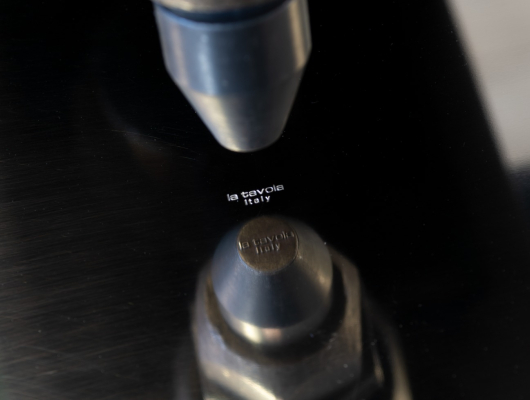
What the "Made In Italy" label actually means, and why it continues to influence purchasing decisions in 5-star hospitality worldwide.
"Made in Italy" is one of the most recognised labels in the world, and one of the most misused. In the luxury hospitality sector, where procurement cycles are long, budgets are significant, and the cost of a wrong decision is measured in years of operational friction, that scepticism is entirely justified.
So yes, the country of manufacture still meaningfully affects the quality of what ends up in your dining room — but only when you know exactly what to look for.
Materials: the difference begins before the design
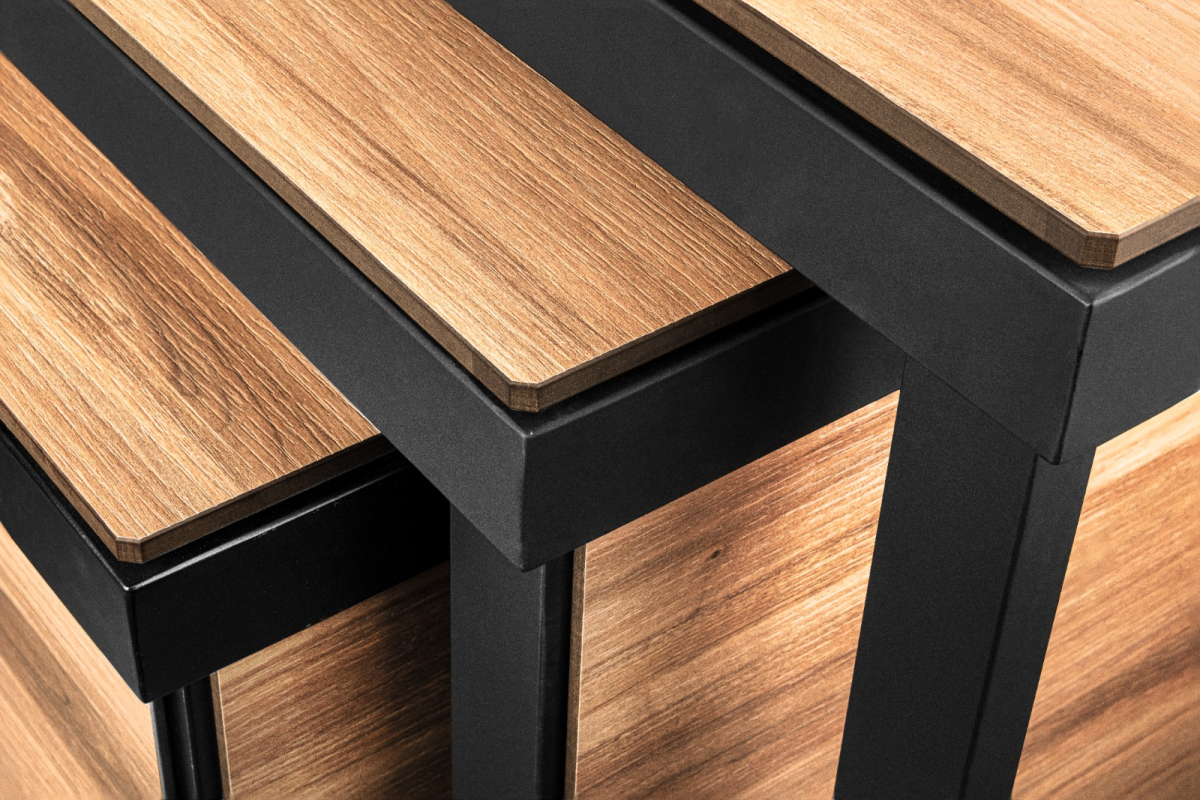
Italian manufacturing in the hospitality equipment sector has maintained a different relationship with materials than its lower-cost competitors: not simply a matter of sourcing premium inputs, but a culture of technical specification.
In Italy, material selection is driven by performance criteria first and cost optimisation second. When a surface needs to withstand repeated thermal cycles, professional chemical cleaning agents, and the mechanical stress of high-volume daily service, the material specification reflects that reality from the outset.
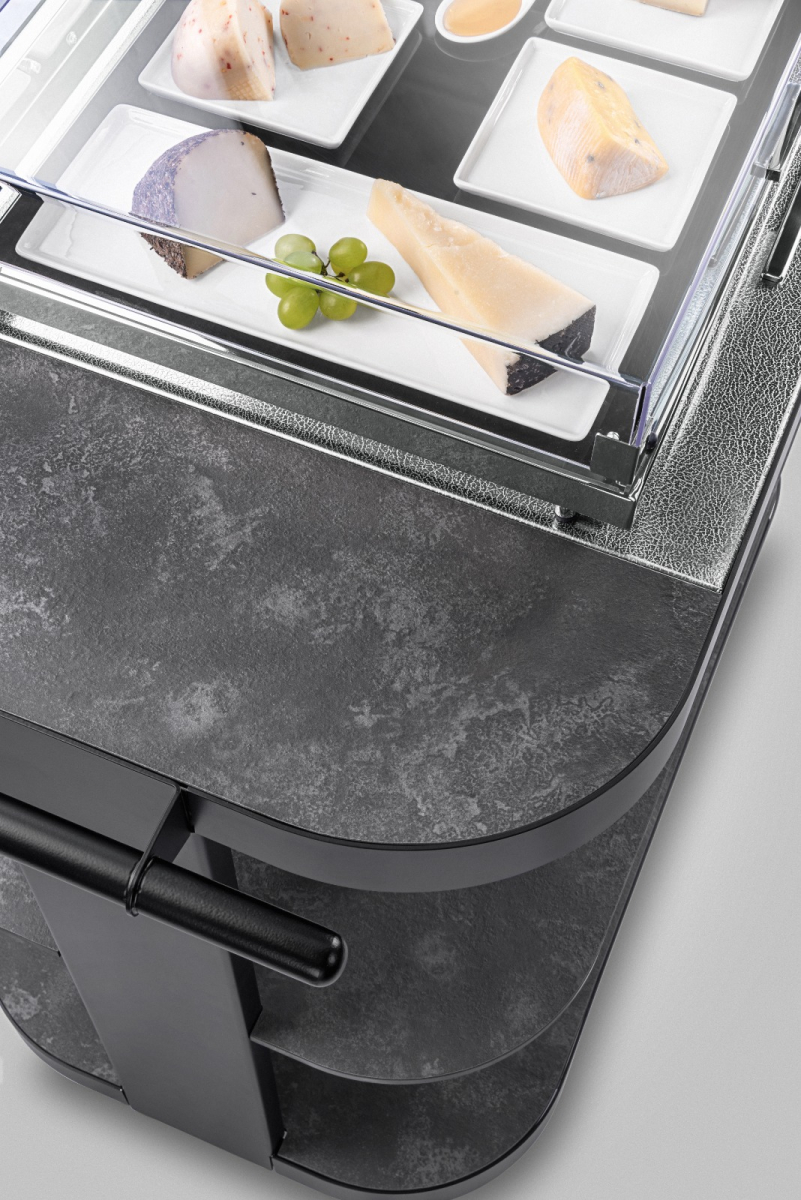
At La Tavola, HPL panels are selected for their pressure resistance ratings, steel alloys for their corrosion resistance under specific humidity and temperature conditions, and finishes are tested not just for visual consistency but for long-term performance under continuous professional use.
Durability: the economics of the long view
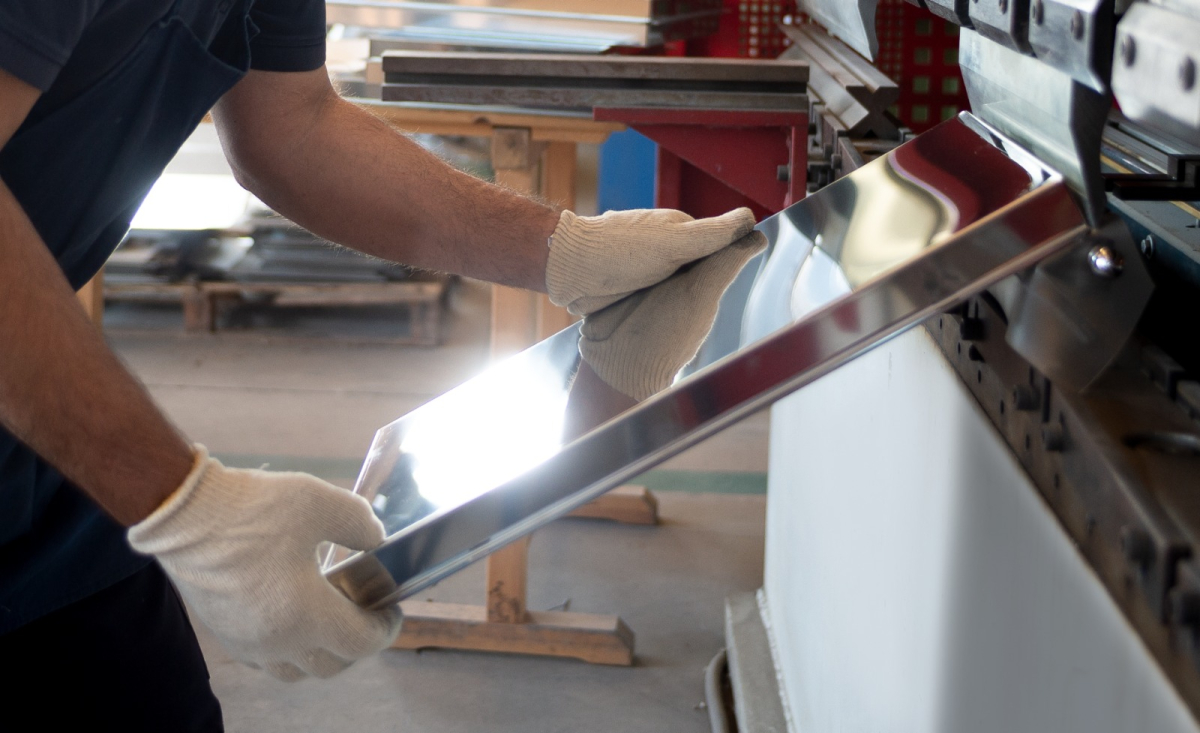
One of the most persistent misconceptions in hospitality procurement is evaluating equipment cost at the point of purchase rather than across its operational lifespan. Italian-manufactured buffet equipment typically carries a higher entry price than equivalent products from markets where labour and material costs are lower.
The right question is not how much it costs today, but what that price buys over three, five, or ten years of daily service.
Italian manufacturers operating in the luxury segment design systems with long-term configurability in mind: a modular component purchased today can be integrated with additions made several years later without aesthetic or technical inconsistency, because production standards and material specifications have remained stable.
For a 5-star property that expects its dining environment to maintain visual coherence across renovation cycles, this continuity has a concrete financial value that rarely appears in a first-year budget comparison, but becomes very apparent over time.
The design process: functionality as a design constraint, not an afterthought
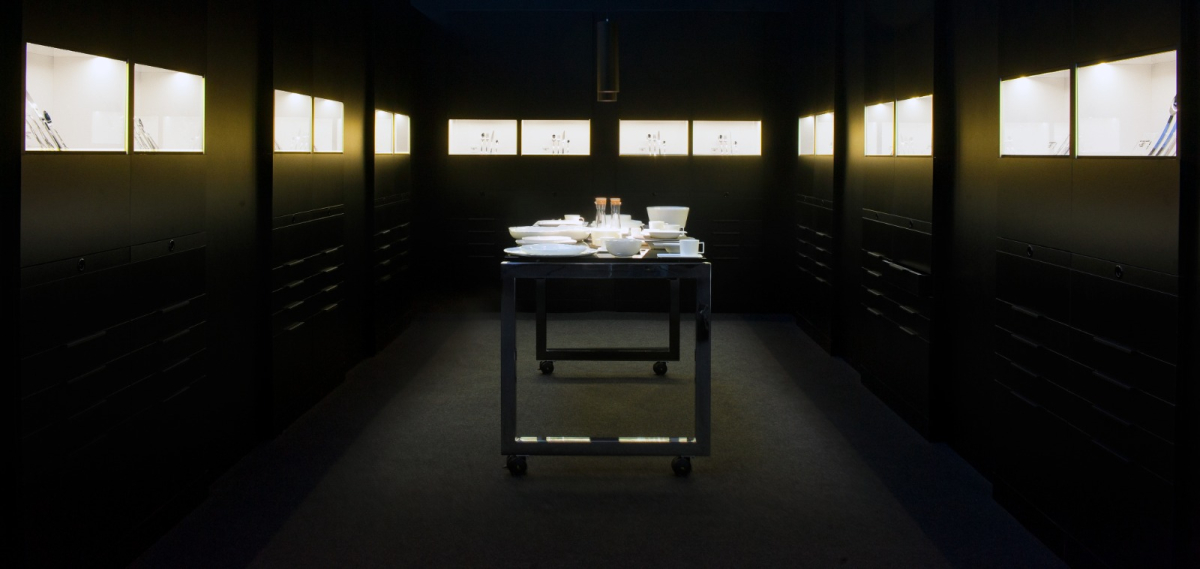
The Italian design tradition that produces globally recognised results operates on a specific principle: that the aesthetic and the performance are not competing concerns, but a single problem to be solved simultaneously.
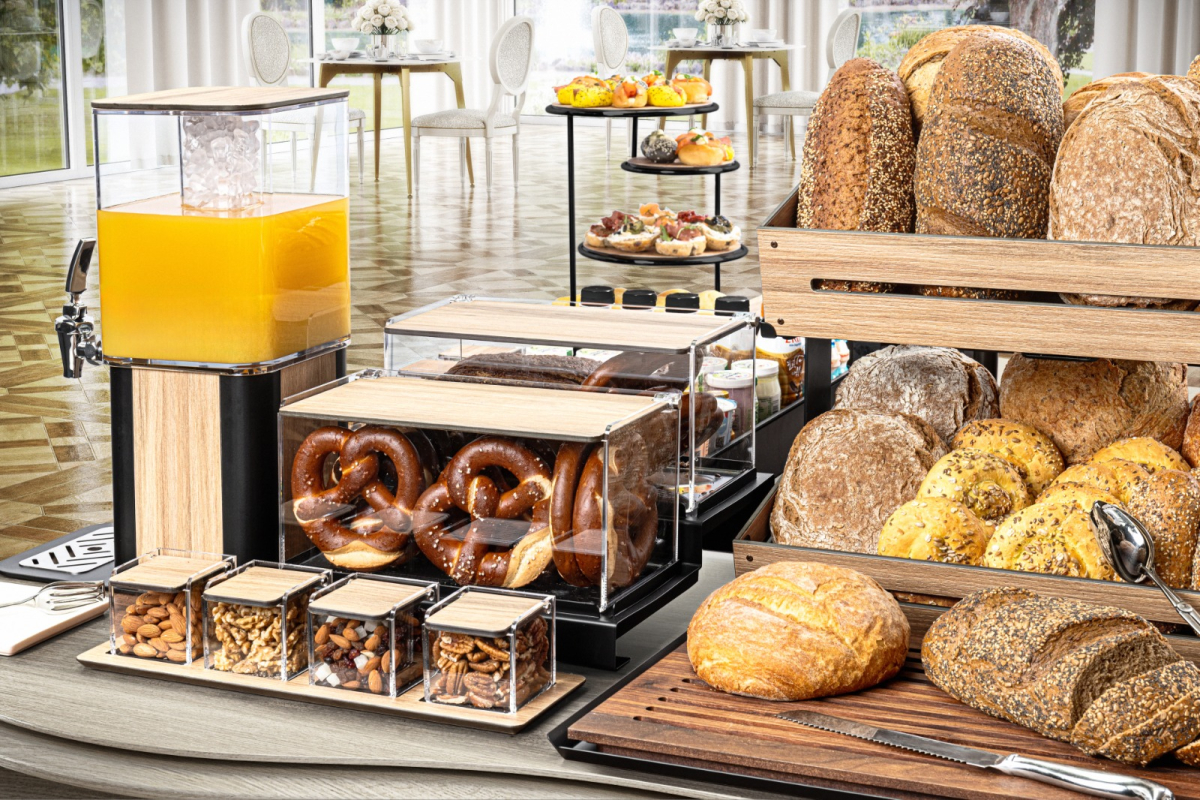
In hospitality equipment, this manifests in ways that become evident in daily operations: the height of a buffet surface relative to service ergonomic standards, the weight distribution of a modular component that affects how quickly a team can reconfigure a layout between service periods.
These decisions are the result of a design process that treats the operational reality of a professional kitchen and dining room as a primary design constraint.
The patent issue: innovation as a competitive differentiator
In a market where many products are functionally interchangeable, patents represent the points where a manufacturer has solved a problem in a way that others have not. In the context of luxury buffet equipment, this is particularly relevant for systems that integrate multiple functions (heating, cooling, and live cooking) within a single modular architecture.
When evaluating suppliers, the presence of proprietary technical solutions is one of the clearest signals that you are dealing with a manufacturer, not an assembler.
A family story, a long-term vision
La Tavola was born from the experience of those who have known the hospitality industry from the inside, across generations. Brothers Sergio and Giulio Sambonet bring with them careers built behind the success of some of the most prominent names in the sector — before uniting their expertise and family heritage to found La Tavola.
Today, Matteo Sambonet, Sergio's son, carries that same passion forward: seven generations who have chosen, every time, quality over convenience and design over compromise.
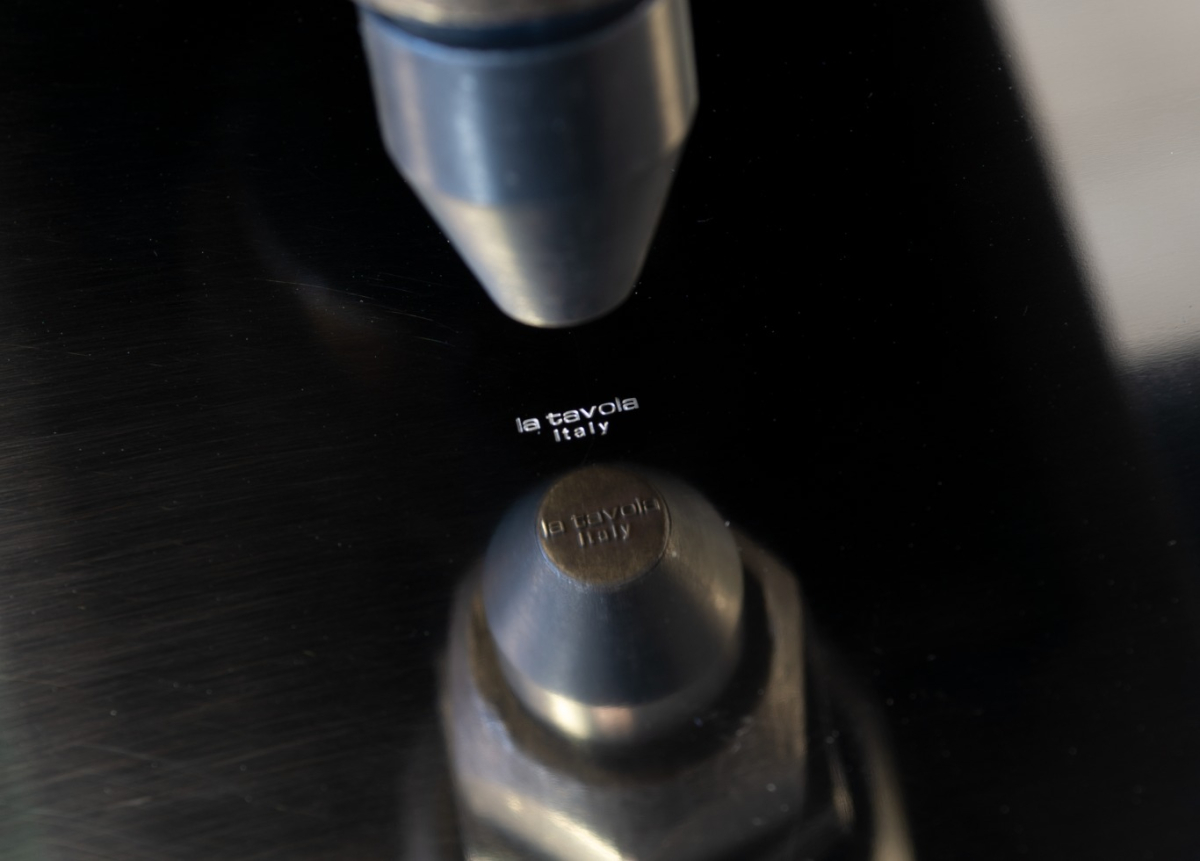
It is this continuity that gives our Made in Italy its concrete meaning: not a label of origin, but a method passed down and refined over time.
Made in Italy: a value that endures
A method that begins with the right material, moves through a design process that never separates form from function, produces systems built to last and to adapt, and concludes with an after-sales relationship built on continuity — not replacement.
At La Tavola, this method is also called family history, responsibility toward those who choose our products, and respect for the professionals who work with these tools every day.